
Pine Tree shares practical, down-to-earth guidance on british conifer gardening and evergreen landscaping for readers across the UK.
- 0123456789
- Angle Bd Abdelmoumen & rue soumaya, Résidence
- [email protected]
Pine Tree shares practical, down-to-earth guidance on british conifer gardening and evergreen landscaping for readers across the UK.
 By Sophie Mercer
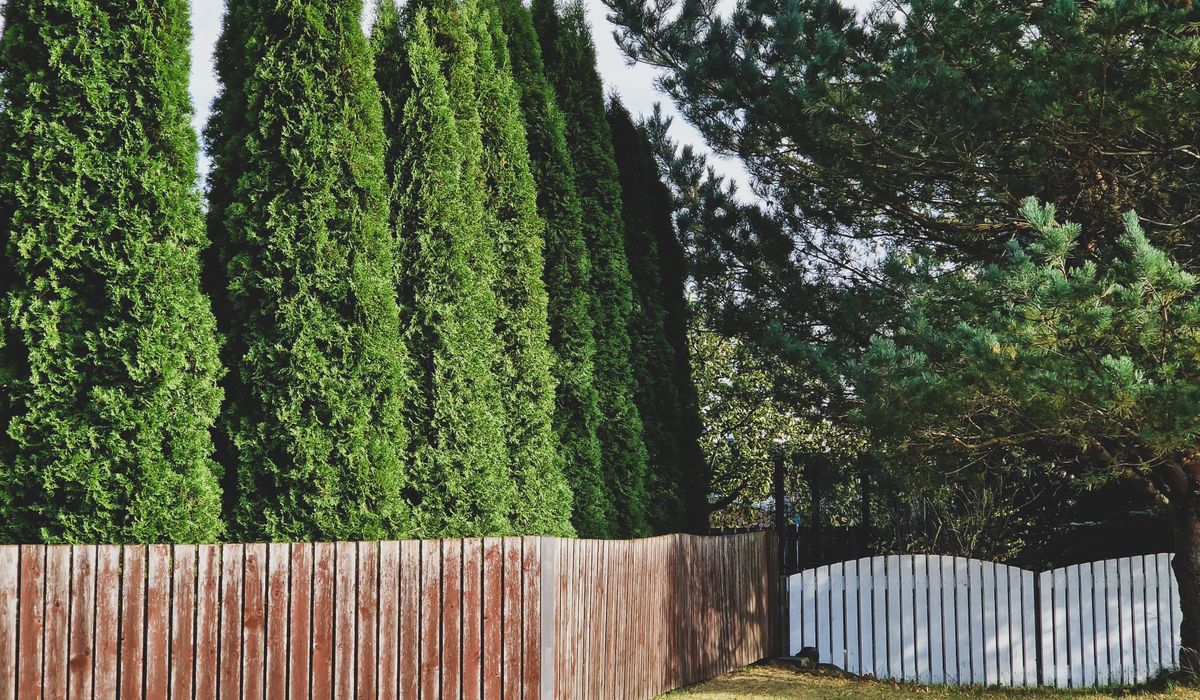
Not all shade is created equal. Before you choose a single evergreen, spend a week watching how light moves across your border. A north-facing wall that never sees direct sun is a very different proposition from a spot that receives dappled light through a deciduous tree for half the day. Dry shade under a mature sycamore or conifer is tougher still, because the tree roots steal both moisture and nutrients. The good news is that British gardens offer a surprisingly wide palette of evergreens that not only tolerate low light but genuinely thrive in it, providing the year-round structure that deciduous planting cannot.
The key is to match the plant to the conditions you actually have, not the ones you wish you had. Get that right, and a shaded border can become the most restful and reliable part of the garden.
Evergreens in shade often fail not because of the lack of light but because of poor soil preparation. Shaded borders tend to be drier and leaner than sunny ones, and heavy clay can stay cold and waterlogged through winter. The single best improvement you can make is to work in generous amounts of leaf mould. Unlike compost, leaf mould is low in nutrients but superb at improving soil structure, holding moisture in sandy soils and opening up clay. A two-inch layer dug into the top six inches, plus a further mulch after planting, will pay dividends for years.
If your soil is alkaline, be honest about it. Rhododendrons, camellias and pieris will never be happy in chalky ground unless you create a raised bed filled with ericaceous compost. For most other evergreens, a neutral to slightly acid soil is ideal.
Above all, avoid planting too deeply. This is the most common reason newly planted shrubs sulk and die. The point where the trunk meets the roots — the root flare — must sit at or just above the soil surface. Planting even an inch too low can smother the bark and encourage rot. Dig a hole no deeper than the root ball, place the shrub so the flare is level with the surrounding soil, then backfill and firm gently. Water well to settle the soil, but do not bury the stem.
Rhododendron is the classic choice for dappled shade and acid soil. Look for compact hybrids such as Rhododendron yakushimanum or the tough, free-flowering 'Cunningham's White'. They need shelter from drying winds and a mulch of leaf mould or pine needles to keep roots cool and moist. Avoid full, deep shade, where flowering will be sparse.
Aucuba japonica, or spotted laurel, is almost indestructible. It tolerates deep shade, dry soil and urban pollution, and its glossy leaves — often splashed with yellow — brighten the darkest corner. Both male and female plants are needed for the red berries, but the foliage alone earns its place. It also makes a fine informal hedge.
Mexican orange (Choisya ternata) prefers a sunnier spot but will cope with light or dappled shade, especially in milder parts of the UK. Its aromatic, palmate leaves are evergreen, and clusters of white, orange-blossom-scented flowers appear in late spring and again in autumn. 'Aztec Pearl' is a finer-leaved form that suits smaller borders. Give it shelter and well-drained soil.
Once planted, shaded evergreens need less water than sun-baked borders, but they still need consistent moisture while establishing. Water thoroughly once a week in dry spells for the first two years. A permanent mulch of leaf mould, applied in early spring to a depth of two to three inches, will suppress weeds and keep roots cool. Keep the mulch clear of the stem to avoid rotting the bark.
Do not be tempted to feed heavily. Shaded plants grow more slowly, and excess nitrogen encourages soft, weak growth that is prone to pests and cold damage. A light dressing of a balanced fertiliser in spring is plenty. Prune only to shape or remove dead wood, and do so immediately after flowering if the shrub blooms on old wood.
Shade can make a border feel gloomy, so use leaf colour and texture deliberately. Variegated evergreens — aucuba, holly, euonymus — act like lanterns in dim corners. Pair fine foliage such as sarcococca with bold leaves of fatsia for contrast. Repeat a single shrub, such as Mexican orange, at intervals to knit the border together. And remember that evergreens are the bones of the garden: they hold the space through winter, letting you add fleeting seasonal colour with bulbs and perennials without the border ever looking empty. Plant them well, avoid burying the root flare, and they will repay you with quiet, dependable beauty for decades.


We are not gonna make spamming
