
Pine Tree shares practical, down-to-earth guidance on british conifer gardening and evergreen landscaping for readers across the UK.
- 0123456789
- Angle Bd Abdelmoumen & rue soumaya, Résidence
- [email protected]
Pine Tree shares practical, down-to-earth guidance on british conifer gardening and evergreen landscaping for readers across the UK.
 By James Harcourt
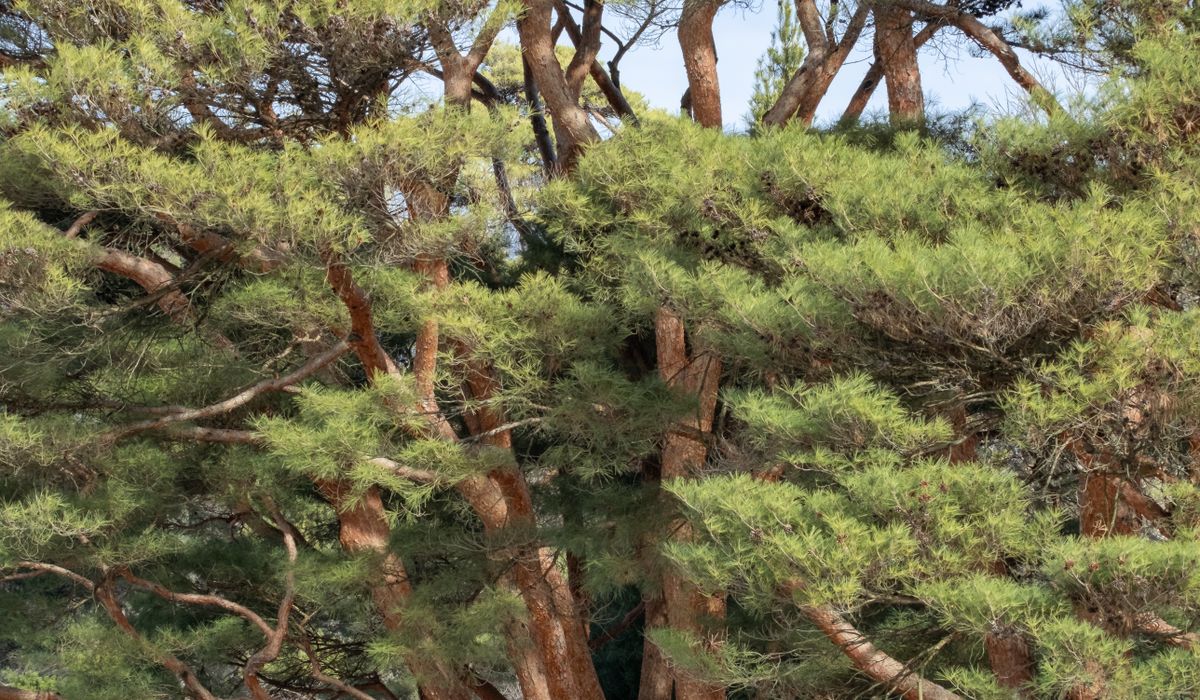
Most small-garden planting mistakes begin with a lovely tree and a hopeful calculation about how quickly it might grow. Pines are wonderful in a compact plot because they give year-round structure, silhouettes and that soft, blue-green colour that nothing else quite matches. But they are also long-lived and, once planted, effectively permanent. So before you fall for a handsome specimen in a pot, spend ten minutes reading the space rather than the tree.
Ask yourself how much room you actually have. A border 2 metres deep and 6 metres long can hold one well-chosen pine beautifully; it cannot hold three. Note which direction the plot faces, how close you are to a boundary fence, whether the spot sits in a frost pocket at the bottom of the garden, and how much sun the border receives at midday in June. Pines are sun-lovers, and a shaded corner will leave them thin, leggy and disappointing.
The single most useful habit is to ignore the word "dwarf" and look at the numbers instead. In the nursery trade, dwarf means slow-growing rather than small. Many "dwarf" pines will still reach 2 or 3 metres in time, which is perfect for a small garden — as long as you planned for it.
Labels usually quote a ten-year height and spread, because that is measurable. A pine that reaches 1.5 metres in ten years may eventually top out at 3 metres after thirty or forty years. That is not a problem in a modest plot, but it does mean you should site it as though the bigger figure is real.
There is a genuinely good range of pines for British small gardens, and the differences between them matter more than the colour of the foliage.
If you only have room for one, a mugo pine in a sunny border is the safest, most forgiving choice for a British garden.
Pines are far more fussy about drainage than about richness. They will cope with poor, stony, sandy ground, but they hate sitting in wet, compacted clay through winter. If your soil holds water, plant on a slight mound of improved soil and grit, or choose a raised bed. Dig in plenty of horticultural grit to a spade's depth and make sure water can escape.
Most pines prefer acid to neutral soil, though mugo and Bosnian pines are notably tolerant of lime. If you garden on chalk, lean towards those two. Shelter matters too: cold, drying east winds in late winter can scorch young foliage, particularly on white pines. A position behind a low hedge or fence, still in full sun, is ideal.
Buy small. Pines develop a deep anchoring root system early and transplant badly once they are established, so a young plant in a 3-litre pot will settle and grow away far better than a large specimen lifted from a field. Plant between October and March while the soil is warm enough to root but the tree is dormant.
Water thoroughly for the first two summers, mulch with bark or leafmould, and keep the mulch clear of the trunk. Stake only if the site is exposed, and remove the tie after two seasons.
One important point: pines do not regenerate from old, bare wood. You cannot cut a leggy branch back hard and expect new shoots. Pruning is limited to shortening the soft new growth in late spring, known as candling, if you want a denser, more compact plant. Remove any vigorous upright shoots that appear below the graft on named cultivars, as these are the rootstock pushing through.
Dwarf pines grow superbly in containers, which suits courtyards and balconies. Use a John Innes No. 3-based compost with added grit, pot on every three or four years in early spring, and water diligently — pots dry out fast. Raise the pot onto feet so water drains freely.
Finally, a little homework pays off. Check your deeds for restrictive covenants, and remember that if your garden is in a conservation area, or the tree is covered by a Tree Preservation Order, you need permission before any significant pruning or felling. A dwarf pine planted in the right place will quietly earn its keep for decades, so it is worth getting the first decision right.


We are not gonna make spamming
