
Pine Tree shares practical, down-to-earth guidance on british conifer gardening and evergreen landscaping for readers across the UK.
- 0123456789
- Angle Bd Abdelmoumen & rue soumaya, Résidence
- [email protected]
Pine Tree shares practical, down-to-earth guidance on british conifer gardening and evergreen landscaping for readers across the UK.
 By Sophie Mercer
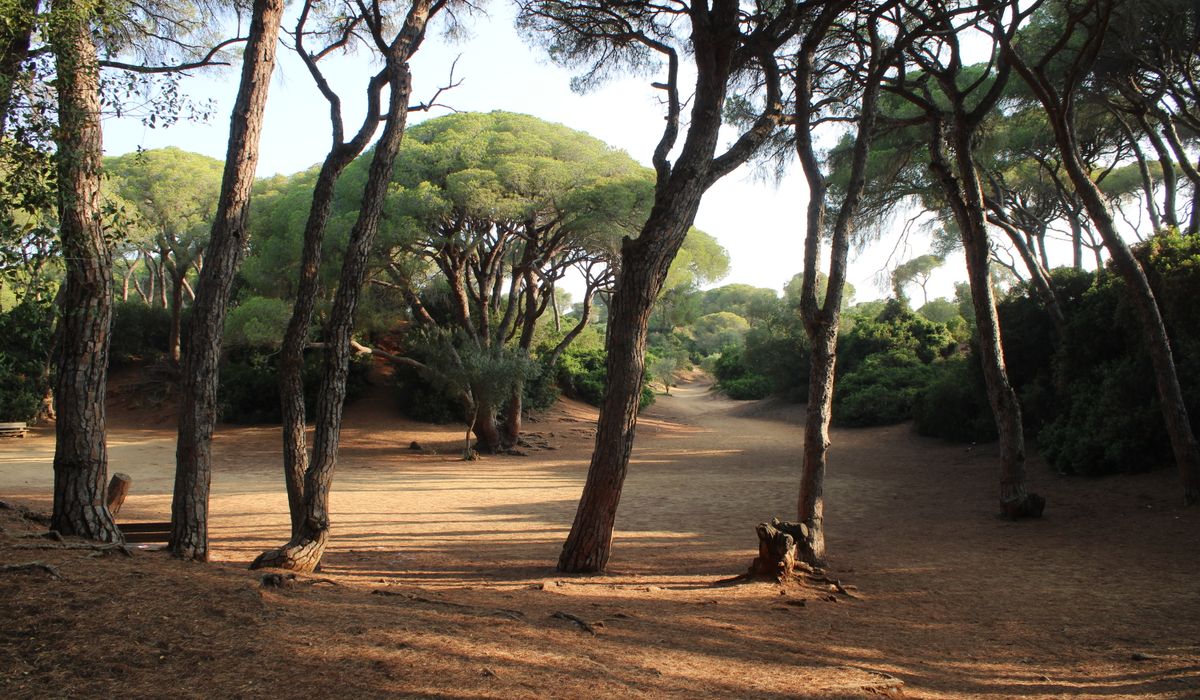
A good evergreen hedge does three jobs at once. It blocks sight lines, it takes the edge off traffic noise, and it gives birds, hedgehogs and pollinators somewhere to live. Unlike a fence panel, it knits itself together, filters wind instead of fighting it, and becomes denser with every year of sensible trimming. In our damp, mild British climate, evergreens put on growth for most of the year, which means a well-planted screen can be chest-high within three seasons and properly private within five.
The trick is choosing the right species for your soil and your patience, then planting it at the right moment. Do that, and you will have privacy for decades. Rush it, and you will spend years patching gaps and feeding struggling specimens.
You can hedge with almost anything, but three evergreens do the heavy lifting in British gardens:
Other reliable candidates include western red cedar (Thuja plicata) for a softer, brighter green, and Portuguese laurel for heavier soils. All three main choices above are best bought bare-root.
Mark the hedge line with pegs and a taut string, keeping at least 60–90cm clear of any boundary so you can trim both sides without leaning into next door's garden. Check for drains, cables and tree roots. Fork over a strip 60–90cm wide to a spade's depth, working in two or three bucketfuls of well-rotted manure or garden compost per metre. On heavy clay, add grit to open it up; evergreens hate waterlogged roots far more than they hate drought.
Spacing determines how fast the screen closes. Plant yew 45–60cm apart for a dense, quick-knitting hedge, holly and laurel at 60–90cm, and Leyland cypress at 60–90cm in a single row. If you are planting a long run, a slight double stagger gives a thicker base.
Bare-root plants are lifted from the field while dormant and sold from late October to March. They are cheaper, establish faster and come in far more varieties than pot-grown stock. Order for November planting if you can — the soil is still warm, rain is plentiful and roots get a head start before spring.
If your plants arrive before you are ready, heel them in: lay them in a shallow trench, cover the roots with damp soil and keep them there until you can plant properly. On arrival, soak the roots for an hour. Then plant each one at the same depth it grew in the nursery — look for the soil mark on the stem — firm the soil around the roots in stages with your boot, and water each plant in thoroughly, even if rain is forecast. Finish with a 5–8cm mulch of bark or compost, keeping it clear of the stems. On exposed sites, a cane and tie for the first two winters stops wind rock tearing new roots.
The first summer decides whether your hedge thrives or merely survives. Even drought-tolerant yew needs help while its roots are still confined to the original planting hole. In dry spells, give each plant 10–20 litres a week, poured slowly at the base rather than sprayed over the foliage. A fortnightly soak is far better than a daily sprinkle, because it drives water down to where roots are searching.
Water in the early morning or evening to cut evaporation, and check the soil 10cm down before deciding — damp means wait. Container-grown or rootballed plants, if you use them, need watering for two full summers. Keep the mulch topped up, hand-weed the strip so nothing competes, and resist the urge to feed in the first year; strong top growth before roots are established makes for a floppy, unhappy hedge.
Density comes from clipping, and clipping means cutting the sides as well as the top. Trim yew once, in late summer or early autumn. Holly is best clipped in late summer too, which avoids disturbing nesting birds between March and August. Leyland cypress wants two cuts, in late May and again in early September. Whatever you grow, angle the sides slightly so the hedge is wider at the base than the top; that lets light reach the lower branches and keeps the bottom from going bare. Little and often beats one brutal cut, and a sharp, clean blade leaves foliage that heals quickly and looks crisp all winter.


We are not gonna make spamming
